Mine for Yours: Dennis Cooper / Year by Year
Denis Cooper lists Year by Year as a poetry recommendation.
Denis Cooper lists Year by Year as a poetry recommendation.
An evening of poetry at the Court Tree Collective (Brooklyn, NY).
With one poem for each year from 1961 to 2011, the collection began as a half-century marker in Sachs’ life, reflecting on history and memory.
BBC Culture polled film experts around the world for their favourite films directed by women.

When you don’t know what to write, return full circle to what you’ve already written and begin to experiment and play.
NYU’s Cinema Studies Department and Undergraduate Film & TV Department present the 10th Annual Experimental Lecture: Nathaniel Dorsky: Montage and the Human Spirit.
“While editing the film, the words on the screen came to me in a dream. I was really trying to figure out a way to talk to the experience of solitude that Barbara had had, how to be there with her somehow through the time that we would all share together watching her and the film. My text is a confrontation with a somatic cinema that brings us all together in multiple spaces at once.”
Join LUX & Club des Femmes for a weekend of films, introductions, memories, a zine and an exhibition of ephemera and texts to celebrate the lives and work of feminist experimental artists Barbara Hammer and Carolee Schneemann.
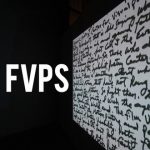
Screening of “Tip of My Tongue” at the Film and Video Poetry Symposium
This collaborative project is an ongoing collective archive of interviews with feminist experimental filmmakers started in 2017 by feminist filmmaking students at UC Santa Cruz and UC Davis. Our students were invited to each select a filmmaker, research their work in detail, and invite the filmmaker to have a conversation with them.